
July 24, 2010
MIND SOUP: News of Fairuz, the famous Lebanese legend, being banned from singing in Lebanese territory has emerged to the news scene recently, and it has been discussed on several sites and blogs.
As the usual hype surrounding celebrities is filing the place, it seems that many fans of Fairuz are angry and disappointed about such news, and instinctively taking her side. However, what they don't know or don't care about is that Fairuz is violating Lebanese law by signing songs from plays that are copyrighted, without sharing the profits with the rightful owners.
The Rahbani sons have launched a lawsuit against Nohad Haddad (Fairuz) because she is unwilling to share the profits of her concerts (that she sings copyrighted songs from plays) with the copyright holders.
In a press release issued by the Rahbani sons on Wednesday, they claimed that Fairuz is trying to "delete the Rahbani brothers (Mansour and Assi) from the music scene."
The brothers denied the circulating rumors that they aim to stop Fairuz from singing in Lebanon, saying that "this issue is not correct, especially that Mansour never denied Fairuz from performing any of the common works of the Rahbani brothers."
They made it clear that they only want their shares as rightful descendents of the late Rahbani, which is ensured by the Lebanese law number 75/1999 section 6.
They added that according to this law, Casino Liban did not agree to hosting any Rahbani play without a prior written agreement from the producers of this common work. This is the basis of the conflict between Fairuz and the Rahbani sons, especially after Fairuz performed the play "Sah el-Nawm" in Damascus and Sharjah without the approval of Mansour.
According to above, Fairuz is not technically banned from singing in Lebanon, but she does not have the right to perform mutual works in Lebanon before the lawsuit is settled.
The law here is in the favor of the unpopular co-owners of intellectual property of the plays, and it might be a good thing that the law is on the side of people who do not have power.
Fairuz should not be greedy, because first of all, that would save her a lot of trouble, and second, it would damage her image as a prestigious icon.
Fairuz to be banned from singing in Lebanon?
MIND SOUP : News of Fairuz, the famous Lebanese legend, being banned from singing in Lebanese territory has emerged to the news scene recently, and it has been discussed on several…
 |
| Fairuz |
As the usual hype surrounding celebrities is filing the place, it seems that many fans of Fairuz are angry and disappointed about such news, and instinctively taking her side. However, what they don't know or don't care about is that Fairuz is violating Lebanese law by signing songs from plays that are copyrighted, without sharing the profits with the rightful owners.
The Rahbani sons have launched a lawsuit against Nohad Haddad (Fairuz) because she is unwilling to share the profits of her concerts (that she sings copyrighted songs from plays) with the copyright holders.
In a press release issued by the Rahbani sons on Wednesday, they claimed that Fairuz is trying to "delete the Rahbani brothers (Mansour and Assi) from the music scene."
The brothers denied the circulating rumors that they aim to stop Fairuz from singing in Lebanon, saying that "this issue is not correct, especially that Mansour never denied Fairuz from performing any of the common works of the Rahbani brothers."
They made it clear that they only want their shares as rightful descendents of the late Rahbani, which is ensured by the Lebanese law number 75/1999 section 6.
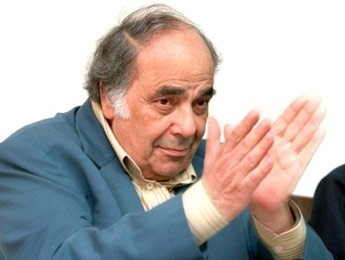 |
| Mansour Al Rahbani |
According to above, Fairuz is not technically banned from singing in Lebanon, but she does not have the right to perform mutual works in Lebanon before the lawsuit is settled.
The law here is in the favor of the unpopular co-owners of intellectual property of the plays, and it might be a good thing that the law is on the side of people who do not have power.
Fairuz should not be greedy, because first of all, that would save her a lot of trouble, and second, it would damage her image as a prestigious icon.
Damascus
Fairuz
law